
Quick summary
Prefab fence panels arrive pre-assembled and pre-finished, so crews set posts and drop panels instead of cutting and fastening pickets on site. For aluminum systems, that means faster installs, fewer callbacks, and a consistent look across long runs. This guide covers where prefab panels save labor, what to check before you spec a system, and how PrimeAlux panels perform on real jobs.
What Prefab Fence Panels Actually Are
Prefab fence panels are full fence sections built and finished at the factory, then shipped ready to install. Instead of cutting pickets and fastening rails in the field, a crew sets posts to layout, then drops each panel into brackets and locks it down. For aluminum systems, the panel arrives as one rigid unit with the slats, rails, and coating already in place.
That single change reshapes how a fence job runs. Build-on-site fences depend on the crew measuring, cutting, and fastening every component on the job, which adds hours and introduces variation between sections. Premade fence panels move that work into a controlled plant where tolerances are tighter and the finish is applied under consistent conditions. PrimeAlux ships its privacy aluminum fence panels this way, in standard sizes from 4 ft by 6 ft up to 8 ft by 8 ft, with custom sizes available when a run calls for it.
For contractors, the appeal is predictability. You know the panel dimensions before the truck arrives, you know how the brackets land on the post, and you know every section will match the last one. That matters most on long residential runs and multi-unit jobs, where a few crooked or mismatched sections turn into punch-list problems.
Why Pre-Assembled Aluminum Systems Cut Install Time
Pre-assembled panels cut install time because the slowest part of fence building, the cutting and fastening of individual boards, happens at the factory instead of on the job. A crew working with prefab aluminum panels spends its day on layout, post setting, and panel placement, which is faster and easier to schedule than piece-by-piece assembly.
On a wood build-on-site fence, a crew handles each picket, each rail, and dozens of fasteners per section. Every cut is a chance for a mistake, and every board is a chance for a warp later. With a panel system, the section is one part. Two installers carry a panel, seat it in the bracket, and move on. Fewer parts in the field means fewer steps, fewer fasteners, and less time per linear foot.
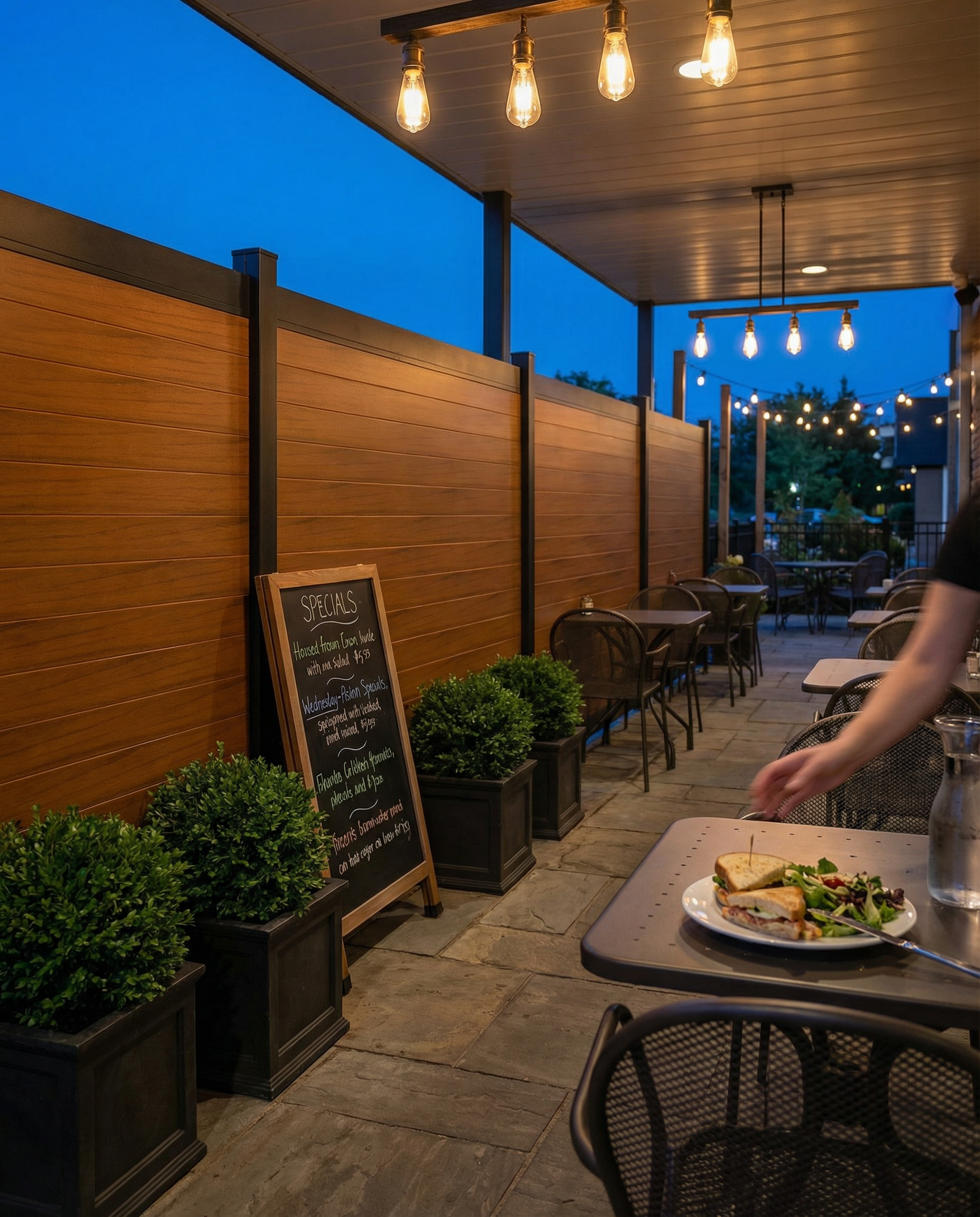
There is a second labor saving that is easy to miss. Because the panels are uniform, a crew does not stop to solve fit problems mid-run. The rails are straight, the slats are spaced the same, and the bracket pattern repeats. Crews settle into a rhythm, and the back half of a run often goes faster than the front. PrimeAlux Privacy Plus panels use a foam-core build that keeps the section rigid, so it handles and seats cleanly without the flex you get from loose pickets.
Prefab Fence Panels vs Build-on-Site: Cost and Labor
Prefab fence panels usually win on total installed cost even when the material price looks higher, because labor is where fence budgets actually go. A pre-assembled system trades a higher per-panel cost for fewer field hours, less waste, and fewer callbacks, and on most residential jobs that math favors the panel.
The table below compares how a prefab aluminum panel system and a typical build-on-site wood fence behave on the points that drive a contractor’s cost and a client’s satisfaction.
| Factor | Prefab Aluminum Panels | Build-on-Site Wood |
|---|---|---|
| Field labor | Low. Set posts, drop panels. | High. Cut and fasten every board. |
| Appearance across a run | Consistent. Factory tolerances. | Varies with the crew and the lumber. |
| Maintenance | Rinse occasionally. No refinishing. | Stain every 2 to 3 years. |
| Appearance over time | Holds color and shape. | Greys, cracks, and warps within 1 to 2 seasons. |
| Typical Canadian lifespan | 25 years or more | 8 to 12 years structural |
| Callback risk | Low. Few field variables. | Higher. Warping and fastener failures. |
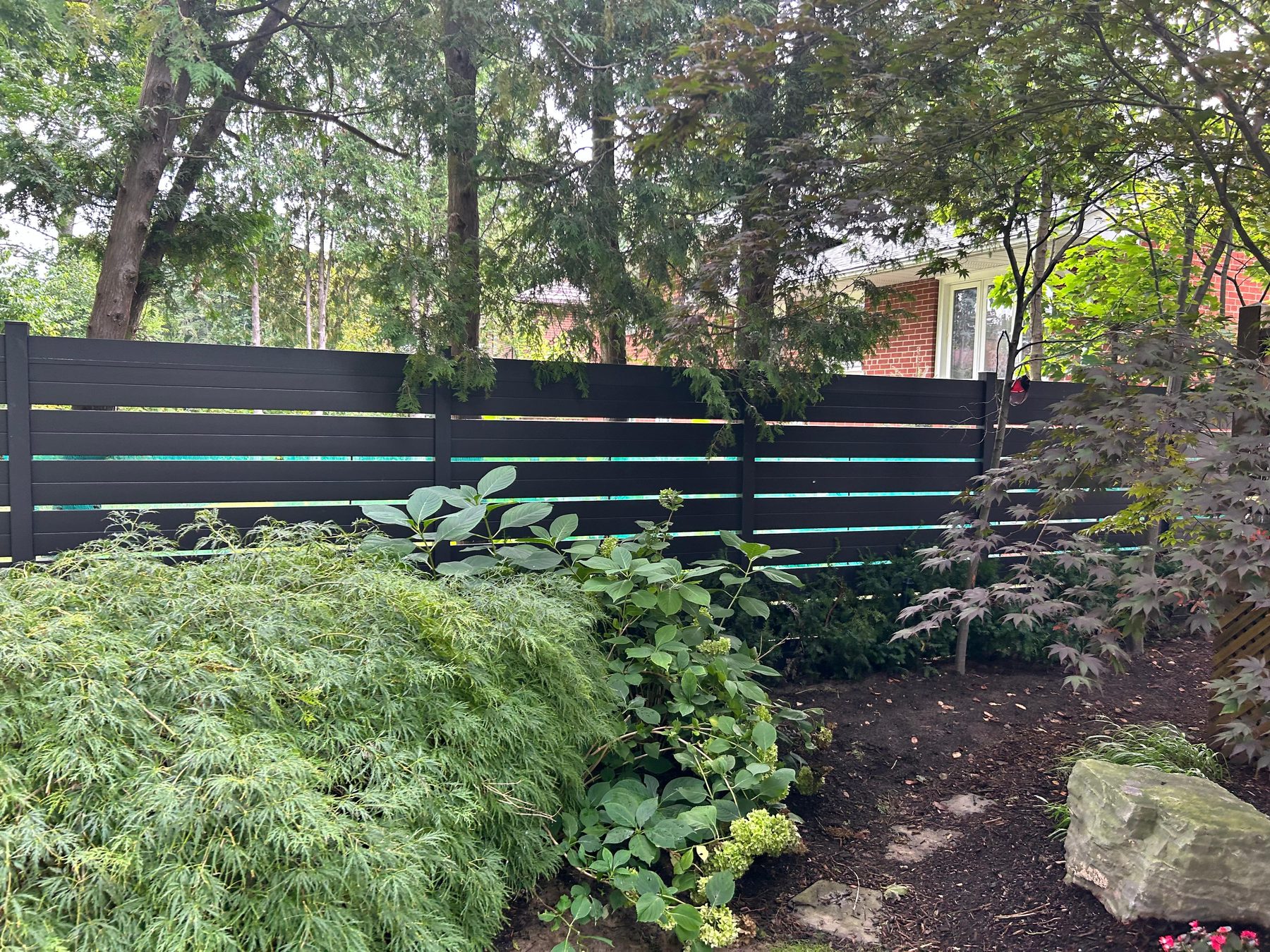
In the Canadian residential market, an installed aluminum fence generally runs in the range of $80 to $120 per linear foot. That figure reflects the panel, posts, hardware, and labor together. A wood fence can start lower on materials, but the gap narrows once you add staining, repairs, and the earlier replacement that wood usually needs. For more on how the materials compare over time, the PrimeAlux blog covers the long-term cost picture in detail.
What to Check Before You Spec a Prefab Panel System
Before you commit to a premade panel system, confirm five things: the panel sizes offered, the post and bracket method, the finish process, the documented performance data, and how custom runs are handled. Those five points decide whether a system installs cleanly and holds up after the truck leaves.
Panel sizing controls your layout. A system that offers a real range, like PrimeAlux at 4 ft by 6 ft through 8 ft by 8 ft with custom sizes, lets you reach property lines without odd filler sections. The post and bracket method controls how the panel seats. Aluminum posts that take a repeating bracket pattern install faster and more forgiving than systems that need field drilling at each connection.
Pro tip: Confirm the underground post burial depth before you quote a job. PrimeAlux posts are set to 3 ft, which suits most Canadian frost conditions. Setting depth wrong is one of the few prefab mistakes that forces a full pull and reset, so lock it in during layout, not after the concrete is poured.
Finish and performance are where prefab quality separates. Look for a documented coating process and real test data rather than vague claims. PrimeAlux applies a 3-layer wood-grain coating and publishes its fire performance under ASTM E84 testing. The panels are rated Class A, with a Flame Spread Index of 0 and a Smoke Developed Index of 50. The same panels are wind-load tested to 220 km/h. You can read the underlying standard at ASTM International if a client or inspector asks what the rating means.
Material and Finish Specs That Matter on the Job
The specs that matter most for prefab fence panels are the alloy and profile quality, the coating system, and the recycled content, because those three decide how the panel handles, how it looks in five years, and how it fits a green building spec. Aluminum earns its place here on weight, corrosion resistance, and finish stability.
Extruded aluminum profiles are made to a recognized standard, which is part of why panel dimensions stay consistent batch to batch. The relevant spec is ASTM B221 for extruded aluminum bars, profiles, and tubes. Consistent extrusions are what let a factory build panels that all seat the same way on site.
Finish is the other half. PrimeAlux uses a 3-layer wood-grain coating offered in Natural Walnut, Grey Walnut, Walnut, Dark Walnut, and Grey Brown. A wood-grain aluminum panel gives clients the look they want from cedar without the staining schedule that comes with real wood. For airflow-sensitive sites, the semi-privacy line uses spaced slats while keeping the same coating and post system.
Sustainability is increasingly part of the spec on commercial work. Aluminum is recyclable without losing its properties, and according to The Aluminum Association, around 75 percent of all aluminum ever produced is still in use today. PrimeAlux panels use up to 70 percent recycled aluminum content, which can support green building goals. The same group notes that aluminum building products are valued for durability and corrosion resistance in construction applications.
How Prefab Panels Reduce Callbacks
Prefab panels reduce callbacks because most fence callbacks trace back to material failure or field inconsistency, and a factory-built aluminum panel removes both. Aluminum does not rot, warp, or rust, and a uniform panel does not develop the crooked sections and loose boards that bring crews back to a wood job.
Think about what actually generates a return visit. A wood post rots below grade and the section leans. A picket warps and pulls its fasteners. A gate sags because the field-built frame was never square. Each of those is a callback, and each costs a contractor time that was never in the bid. Aluminum posts set at the correct depth do not rot, the panels hold their shape, and matching aluminum gates are built to the same tolerances as the fence, so they hang square and stay square.
There is a reputation angle too. A fence that still looks straight and holds its color years later is the kind of job that earns referrals. The Aluminum Association points out that some aluminum building products carry a 70-plus year service life, and while a fence lives a harder life than a curtain wall, the material advantage is real. Homeowners who chose wood often end up refinishing it repeatedly or living with an eyesore, which is the opposite of the result that brings a contractor more work.
Fitting Prefab Panels to Slopes, Gates, and Custom Runs
Prefab panels handle slopes, gates, and odd runs through stepping, custom sizing, and matched hardware, so a pre-assembled system does not lock you into flat, standard layouts. The key is choosing a supplier that offers real size options and a post system designed for field adjustment.
On grade changes, aluminum panels step down the slope, with each section dropping at the post. Because the panels are rigid, the step looks deliberate and clean rather than ragged. For runs that do not divide evenly into standard widths, custom panel sizing closes the gap without forcing a narrow filler section that stands out. When a job needs a gate, ordering it from the same system keeps the slat pattern, color, and hardware consistent with the fence, which is what clients notice first.
This is also where supplier support matters for dealers and distributors. A partner that can turn around custom sizes and keep finishes consistent across reorders is worth more than a slightly cheaper panel that varies between shipments. PrimeAlux works with contractors and distributors across North America from its Canadian operation, and you can start a conversation through the PrimeAlux site or compare residential options on the Canadian privacy fence page and gate page.
Frequently Asked Questions
Are prefab fence panels cheaper than building on site?
On materials alone, a prefab aluminum panel can cost more than basic wood. On total installed cost, the panel often wins because it cuts field labor, reduces waste, and lowers callbacks. Over the life of the fence, the gap widens further once wood needs refinishing and earlier replacement.
How long do prefab aluminum fence panels last?
In Canadian conditions, aluminum fence systems commonly last 25 years or more because aluminum does not rot, rust, or warp. Wood fences hold up structurally for roughly 8 to 12 years but start greying and cracking within one to two seasons, so they look worn long before they fail.
What sizes do prefab fence panels come in?
PrimeAlux panels run from 4 ft by 6 ft up to 8 ft by 8 ft, with custom sizes available for runs that do not divide evenly. A real size range lets installers reach property lines without awkward filler sections.
How deep do the fence posts need to be set?
PrimeAlux posts are set at a 3 ft burial depth, which suits most Canadian frost conditions. Confirming depth during layout matters, since resetting a post after the concrete cures is one of the few prefab errors that costs real time.
Do prefab aluminum panels work on a sloped yard?
Yes. Aluminum panels step down a slope at each post, and because the sections are rigid the result looks clean. For grades that do not fit standard widths, custom panel sizing closes the gap without a narrow filler section.
What finishes are available on prefab aluminum panels?
PrimeAlux applies a 3-layer wood-grain coating in Natural Walnut, Grey Walnut, Walnut, Dark Walnut, and Grey Brown. The wood-grain look gives the appearance of cedar without the staining schedule, and the finish is applied at the factory for consistency.
Can dealers and distributors order prefab panels in volume?
Yes. PrimeAlux works with contractors, dealers, and distributors across North America and supports custom sizing and consistent finishes across reorders. Reach out through the PrimeAlux site to discuss partner pricing and sample programs.
The Bottom Line for Contractors
Prefab fence panels move the slow, error-prone work off the job site and into the factory, and for aluminum systems that translates into faster installs, consistent runs, and fewer callbacks. The material price may read higher than wood, but the labor savings and the long service life usually make pre-assembled aluminum the better number once the full job is counted.
If you install, sell, or distribute fence, prefab aluminum panels are worth a serious look for your next bid. To talk through panel sizes, finishes, and partner pricing, contact PrimeAlux through the main site, request a quote, or ask for samples to put a real panel in front of your crew before you spec it.
