
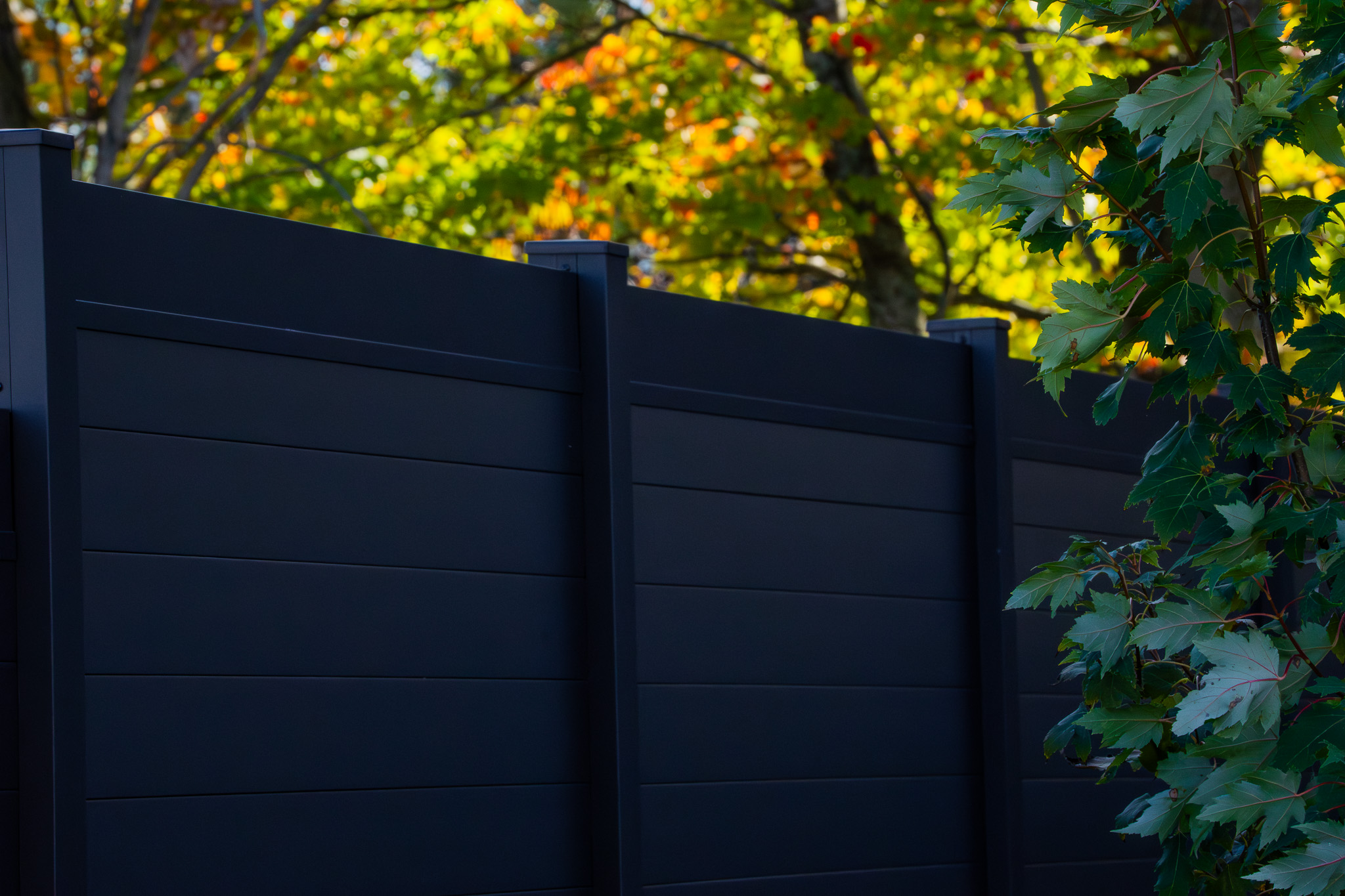

Choosing a fence isn’t just about looks; it’s a long-term decision about maintenance, weather performance, privacy, and how reliably the system holds up over years of real use. For many homeowners, contractors, and property managers, aluminum fence hits a sweet spot: it delivers the clean look of a modern metal fence or even can replicate the look of a fresh high-end wood fence, avoids the recurring upkeep of wood, and can be engineered into privacy fence panels that feel solid and architectural.
This guide breaks down what makes an aluminum fence a strong option, what to watch for when buying fence supplies, and how to evaluate a fence supplier using something better than marketing claims: documentation and test data.
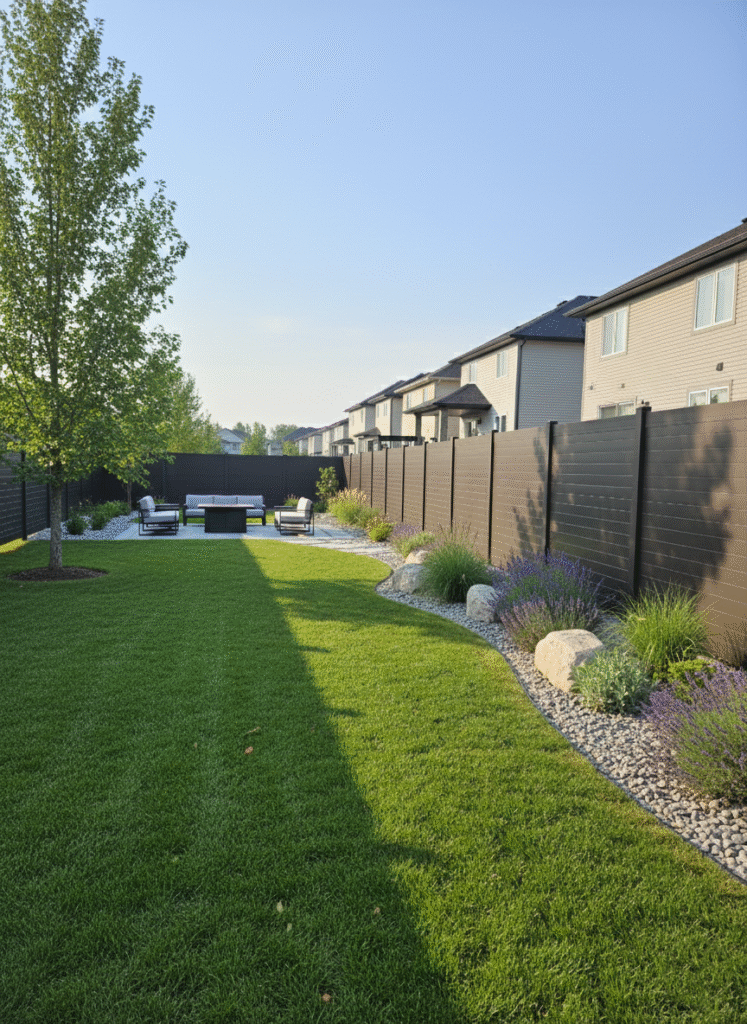
1) Why aluminum fencing holds up in harsh climates
Aluminum doesn’t “rust” like steel
Rust is specifically iron oxide, so steel and iron fences can end up in a cycle of sanding, repainting, and spot repairs. Aluminum behaves differently: it forms a thin oxide film that helps protect the metal underneath, which is one reason aluminum is widely used outdoors.
Coatings matter more than most people think
A quality finish isn’t just cosmetic; it’s part of the performance. Powder or multiple-layer coating is valued because it provides a durable barrier layer and can perform well against humidity and corrosive exposure when properly specified and applied.
Practical takeaway: When comparing aluminum fences, ask what protects the surface (and how), not just what color it is.
2) Privacy fence panels: choosing the right level of privacy (and airflow)
A common misconception is that privacy always means “solid wall.” In practice, privacy comes in levels, and the best choice depends on wind exposure, neighborhood sightlines, and comfort.
Common privacy approaches in aluminum fence panels
- Full privacy aluminum fence panels: No visibility through the fence, best for backyards, pools, or tight neighbours.
- Semi-privacy designs: Controlled spacing that reduces direct sightlines but allows some airflow (often helpful in windy regions).
- Privacy Plus / reinforced privacy designs: Designed for higher rigidity and a tighter enclosure.
PrimeAlux’s product lineup is organized around these privacy levels (semi-privacy, privacy, privacy-plus) and emphasizes a system approach, panels, posts/rails, and accessories as a matched set.
Practical takeaway: If your site is windy, the best privacy fence choice is often the one that balances enclosure with structural strategy (post spacing, reinforcement, and panel design), not just the one with the least visible gap.
3) Strength isn’t only material – it’s the system (posts, rails, and reinforcement)
Many fence failures don’t occur because “wood is weak” or “metal is strong.” They happen because the system – posts, rails, spans, anchoring, and hardware — wasn’t engineered to work together. When any one component is undersized or poorly supported, the fence becomes more vulnerable to wind, movement, sagging, or loosening over time.
This is where PrimeAlux stands out: it is manufactured as a complete, engineered system rather than a collection of parts. When panels, posts, rails, brackets, and fasteners are designed to match — with defined spans, reinforcement channels, and locking hardware — the result is a fence that:
resists bending and deflection more predictably
maintains alignment without warping or sagging
handles wind and seasonal movement more consistently
keeps gates square and functional over years of use
avoids corrosion issues caused by mixed incompatible hardware
In other words, the benefit is not only “aluminum is strong,” but also that aluminum fencing can be built as a structural system, which gives it a longer, more reliable service life than fences assembled from mismatched, generic components.
4) Aluminum fence installation: what matters for real-world performance
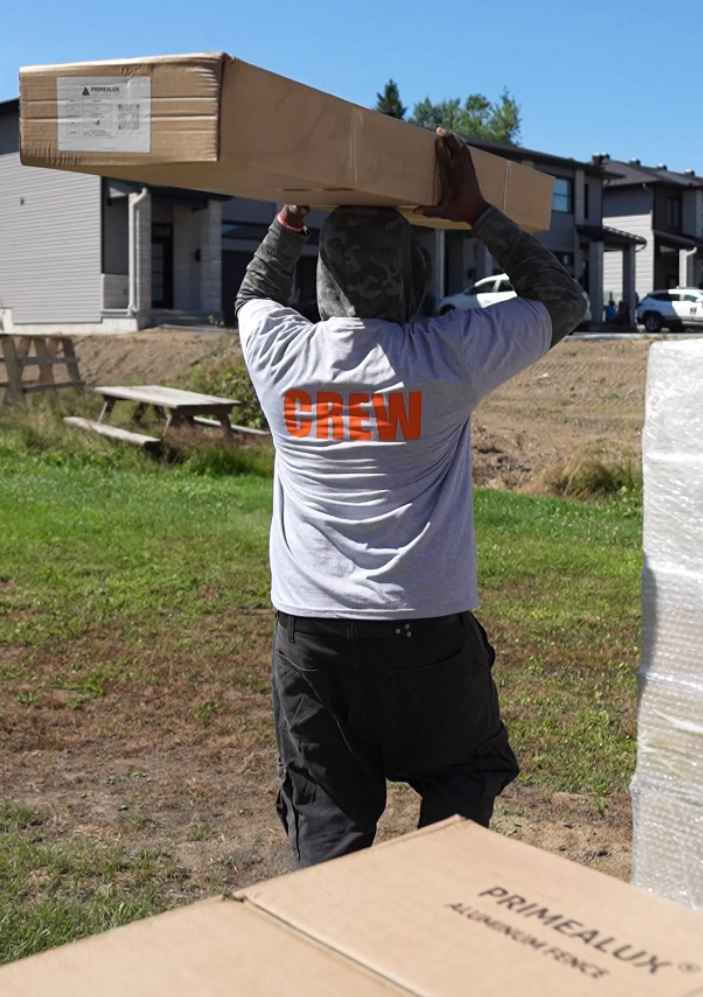
A great fence is only as good as the way it’s installed. One advantage of aluminum fencing is that it is lighter, cleaner to handle, and easier to assemble accurately compared to wood or steel – which reduces labor time and avoids many of the errors that lead to early failure.
When aluminum systems are installed as intended – with correct post spacing, solid footings, and compatible hardware – the benefits show up in everyday use:
Straighter lines that stay true instead of shifting or leaning over seasons
Gates that don’t sag, scrape, or drag on the ground
Better performance in wind, because panels and posts are actually supported the way they were engineered to be
Less mess on the property – no sawdust, cut planks, paint, or rot-treatment chemicals left behind
Faster installation, meaning your yard returns to normal sooner
In short, aluminum fence’s modular design makes it easier to get the installation right, and when it’s right, it delivers a fence that lasts longer, moves less, and needs far fewer adjustments over its lifetime.
5) Low maintenance: what that really means (and what it doesn’t)
A realistic aluminum fence care routine:
- Rinse seasonally
- Wash as directed by the supplier. (For PrimeAlux cleaning instructions, click here)
- Check gate hinges/latches annually
- Inspect fasteners after extreme storms
Practical takeaway: Low maintenance means less recurring labour.
6) Sustainability and lifecycle value
Aluminum is widely recycled, and a fence that doesn’t require frequent painting, staining, or board replacement can reduce material use over its lifetime and recurring service calls. (The sustainability story is strongest when you compare full lifecycle costs, not just the first invoice.)
7) Design Flexibility & Architectural Aesthetics
A fence shapes the visual identity of a home as much as a front door, driveway, or façade. Aluminum gives homeowners and designers aesthetic control that most materials simply don’t offer. Because it is an engineered material rather than a commodity board, the look is defined by design — not by whatever wood planks are available that season.
Modern aluminum systems can deliver:
clean horizontal-slat lines for a minimal, architectural style
vertical orientation for a more traditional look
semi-open or closed privacy formats depending on how enclosed the space should feel
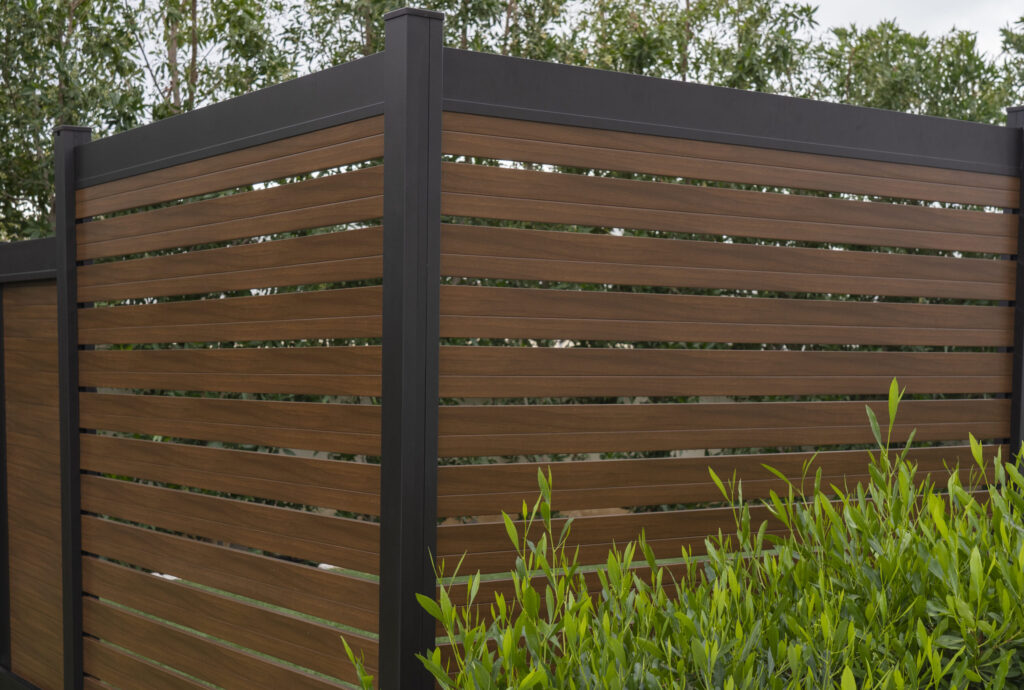
premium wood-grain finishes that visually mimic cedar or walnut while avoiding the fading, splintering, and weathering that real wood experiences
For many homeowners, this matters because it allows them to integrate the fence into a broader outdoor vision – garden layouts, pergolas, feature walls, seating zones – rather than treating fencing as an afterthought that simply “blocks a view.” Aluminum gives aesthetic choice without locking you into sanding, sealing, or repainting cycles later.
8) Fire Performance & Heat-Exposure Stability
Fire resistance isn’t usually the first thing people think about when choosing a fence, but it becomes relevant the moment heat, sparks, or open flame are part of daily life. Wood is combustible. Vinyl softens and melts under heat. Aluminum systems behave differently: they are non-combustible, and their surface-burn characteristics are quantifiable through ASTM E84 testing (the same testing method used for many building-interior materials).
PrimeAlux publishes an ASTM E84 fire-performance report in which the aluminum-PU-core panel received documented Flame Spread Index (FSI) and Smoke Developed Index (SDI) values, providing a clearer picture of how the material reacts under heat compared with organic materials.
Why this matters in real life:
backyard grilling and fire-pits are common
embers or sparks can travel farther than you expect
weather-dry conditions + wood fencing = higher ignition risk
aluminum panels do not ignite, and do not contribute to flame spread the way wood can
A simple way to frame it: if a neighbor over-heats a grill or a wood-fire spark drifts the wrong direction, a natural-wood fence can become part of the problem. An aluminum fence, by contrast, stays inert, making it the safer backdrop for everyday outdoor living.
9) Resale value & long-term ROI
Over time, a fence made from a material that requires repainting, staining, or replacement will quietly drain budget and time. Aluminum fence shifts cost into the initial installation and reduces downstream upkeep. For buyers, this reads as a “future-proof” feature and can positively influence perceived home value.
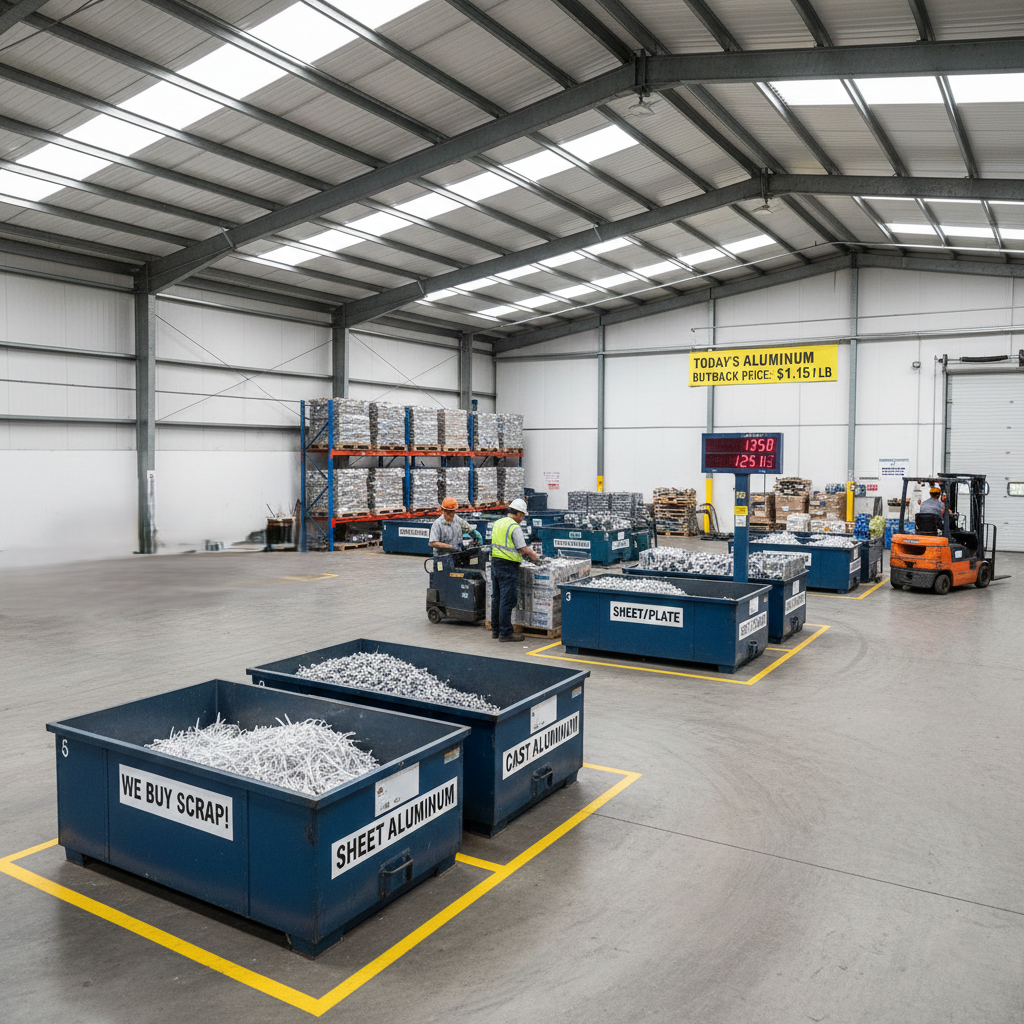
There’s also a long-term value angle most homeowners overlook: aluminum retains material value even after its service life. If a fence is ever removed, the metal can be resold for recycling rather than sent to a landfill, which gives aluminum a recoverable end-value that wood or vinyl simply don’t offer.
In short, aluminum is not only lower-maintenance year-to-year; it’s one of the few fencing materials that still holds value decades later.
To know more about how long fences really last and compare different kinds of fences, click here.
